The importance of responsive layouts explained by a top web design company
Wiki Article
Discovering Innovative Trends in Web Design for Modern Businesses
The landscape of web design is constantly evolving, showing the dynamic requirements of modern organizations. Recent fads highlight a choice for minimalism, bold typography, and interesting interactivity. Business significantly focus on user experience via mobile-first concepts and individualized content. In addition, a focus on sustainability is obtaining grip. Comprehending these patterns is vital for organizations aiming to stand out in a crowded marketplace. What effects do these changes hold for the future of electronic engagement?Welcoming Vibrant Typography
Strong typography has emerged as a defining component in modern web design, capturing attention and sharing messages with striking quality. This pattern prioritizes visually impactful text that boosts user involvement and brand name identification. Designers usually use unique fonts and extra-large font styles to create a pecking order, leading visitors through material flawlessly.
The tactical usage of vibrant typography enables effective storytelling, enabling brands to communicate their worths succinctly. It offers not only aesthetic functions but additionally functional ones, as it boosts readability across devices and display sizes.
As websites compete for user focus, bold typography stands out in a saturated electronic landscape. Its versatility makes it possible for designers to try out contrasting designs and colors, further magnifying its performance. Ultimately, accepting vibrant typography stands for a change towards more communicative and meaningful web design, fostering a much deeper connection between brand names and their audiences.
The Rise of Minimalist Style
As electronic environments end up being increasingly messy, the surge of minimalist design uses a rejuvenating option that focuses on simpleness and functionality. This layout viewpoint remove unneeded components, allowing content to take spotlight. By concentrating on tidy lines, ample white room, and a minimal color scheme, minimalist layout improves user experience and enhances navigation.Businesses adopting this fad goal to share their brand name message clearly and effectively, cultivating a sense of tranquility and clarity. The lack of distractions assists users focus on vital details, causing enhanced involvement and conversion rates. Additionally, minimalist design straightens well with mobile-first approaches, making sure that websites continue to be straightforward and obtainable throughout various gadgets.
Ultimately, the increase of minimal design reflects a wider shift in the direction of focusing on user requirements and choices, making it an effective device for modern-day services looking to make a long-term impact in the electronic landscape.
Immersive Animations and Interactivity
While lots of web designers welcome minimal visual appeals, another engaging pattern gaining grip is the usage of immersive computer animations and interactivity. This technique enhances user involvement by producing interesting experiences that attract site visitors right into the content. Designers employ dynamic aspects such as computer animated histories, scrolling effects, and interactive infographics to interact intricate ideas in an obtainable way.These computer animations not just provide aesthetic passion however likewise guide users through the navigating process, making communications much more intuitive. For instance, float impacts and computer animated shifts can urge customers to discover additionally, leading to boosted time invested on the website.
This pattern aligns with the more comprehensive movement in the direction of storytelling in web style, where animations serve as narrative tools that share brand messages effectively. By incorporating immersive animations and interactivity, services can distinguish themselves in a congested online landscape, eventually boosting user complete satisfaction and brand name loyalty.
Mobile-First Layout Principles
Mobile-first layout principles highlight prioritizing user experience by guaranteeing web sites function flawlessly on smaller sized screens. This technique integrates receptive design strategies that adapt to different device dimensions while maintaining aesthetic stability. Additionally, it concentrates on touchscreen navigation layout, boosting usability for mobile individuals.Focusing On User Experience
How can designers successfully prioritize user experience in a significantly mobile-centric world? Highlighting mobile-first layout concepts is crucial, as users largely engage with internet sites via smart phones. This approach urges developers to improve web content, guaranteeing it is easily accessible and navigable on smaller sized screens. Trick techniques include streamlining navigating, lessening load times, and employing touch-friendly aspects that enhance interactivity. Furthermore, prioritizing clear typography and instinctive formats can substantially enhance user satisfaction. Designers need to continuously gather user feedback to refine their methods, adapting to advancing user needs and choices. By concentrating on these elements, services can develop an appealing electronic experience that fosters loyalty and drives conversions, eventually straightening with the expectations these days's mobile customers.Responsive Layout Strategies
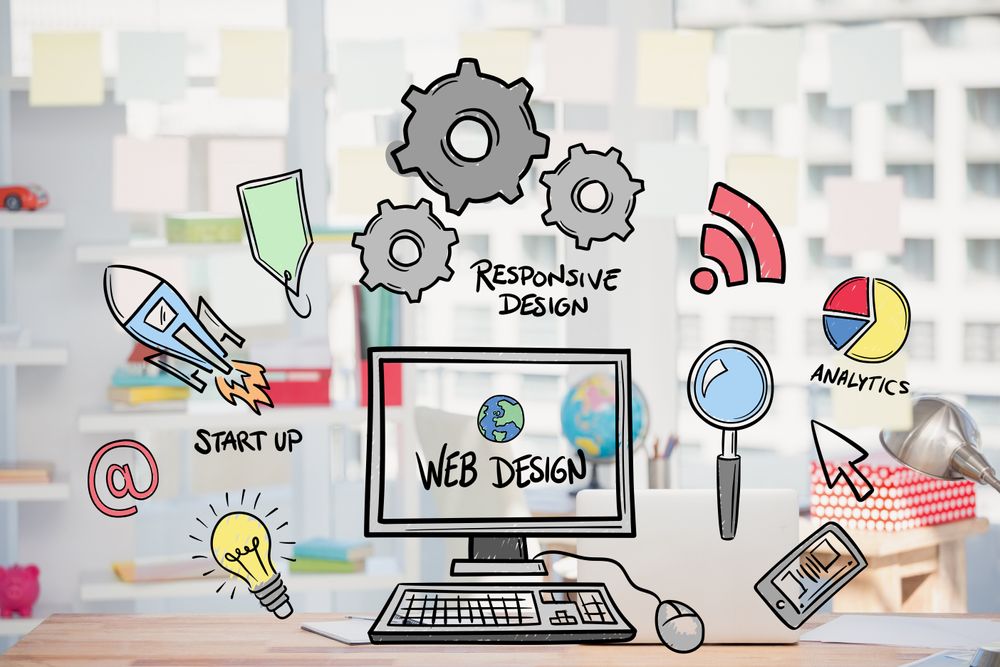
Designers embrace receptive layout strategies to develop versatile and flexible internet experiences that accommodate various screen dimensions. This technique prioritizes mobile-first layout concepts, ensuring peak functionality on smaller sized devices prior to scaling up for bigger screens. By making use of liquid grids, flexible images, and media queries, developers can maintain a cohesive aesthetic identity across all systems. This method not only improves user interaction however additionally boosts internet search engine positions, as mobile-friendly sites are preferred by search formulas. Additionally, responsive designs enable organizations to reach a more comprehensive target market, suiting users on desktops, mobile phones, and tablet computers alike. In general, applying these techniques is vital for modern web design, ensuring that services remain affordable in an ever-evolving digital landscape.Touchscreen Navigating Design
With the surge of mobile phones, touchscreen navigating has become a fundamental facet of web design. Designers are increasingly taking on Web Design services mobile-first concepts to improve user experience and involvement. agency for web design. Efficient touchscreen navigation focuses on bigger switches and intuitive gestures, allowing individuals to interact conveniently with web content. This method decreases frustration and encourages exploration, as users can navigate seamlessly with their fingers. In addition, including swipe gestures and tap functionality deals with the all-natural behaviors of mobile customers. Comments devices, such as visual cues and computer animations, boost use better by validating actions. As touchscreens control user communications, using these layout elements not just aligns with modern-day assumptions however additionally cultivates an extra obtainable and satisfying browsing experience for all usersPersonalized User Experiences
What makes a user feel really engaged on a web site? The solution usually depends on individualized user experiences. By tailoring web content and navigating to private choices, organizations can develop a meaningful link with their target market. This personalization can be attained through different methods, such as examining user behavior, utilizing cookies, and providing personalized referrals based on previous communications.For example, e-commerce platforms that suggest items based upon surfing background not just enhance user experience however also boost conversion prices. Furthermore, incorporating dynamic material that adjusts to the user's place or time of day can further enrich involvement.
Additionally, personalized introductions or messages can make customers feel valued and understood. As modern-day businesses endeavor to stand out in an affordable digital landscape, embracing individualized user experiences becomes necessary, fostering commitment and motivating repeat visits. Eventually, this method transforms a common website into an interactive system that resonates with its target market.
Sustainability in Web Design
As the digital landscape remains to advance, the significance of sustainability in web design has obtained significant attention. Designers are significantly conscious of the environmental influence their creations can have, triggering a change in the direction of eco-friendly methods (web design company). Lasting web design concentrates on maximizing internet sites to reduce power usage and carbon impacts. Strategies consist of using minimalistic layout principles, optimizing photos, and employing effective coding techniques to improve loading speedsAdditionally, the option of organizing providers plays an essential duty; several developers are currently choosing for eco-friendly organizing solutions powered by renewable energy. By focusing on ease of access and user-friendly navigation, lasting designs also provide to a more comprehensive target market, improving usability. This aware method not just charms to environmentally-minded consumers however also adds to the total longevity and effectiveness of websites. Ultimately, sustainability in web design shows a growing pattern in the direction of accountable electronic methods that straighten with modern-day business values.
Often Asked Questions
How Can I Pick the Right Shade Scheme for My Website?
To pick the ideal color design for a web site, one ought to take into consideration the brand's identification, target market, and emotional effect. Making use of shade concept and testing mixes can boost user experience and visual appeal considerably.What Are the most effective Tools for Prototyping Website Design?
The most effective devices for prototyping website design include Figma, Sketch, Adobe XD, and InVision. These systems supply instinctive interfaces, collaboration attributes, and extensive collections, making them suitable for developers to develop and fine-tune their principles successfully.Just how Do I Determine the Efficiency of My Web Design?
To gauge web design effectiveness, one must assess user involvement metrics, conversion rates, and use responses (agency for web design). A/B screening and heatmaps can additionally supply insights into user habits, guiding necessary changes for enhanced performance and user experienceWhat Are Common Web Design Blunders to Prevent?
Common web design errors include cluttered designs, inadequate navigating, slow-moving packing times, lack of mobile optimization, inadequate contrast, and overlooking user responses. Avoiding these mistakes improves user experience and raises overall efficiency of the web site.Just how Often Should I Update My Site Style?
A web site layout should be upgraded every a couple of years, or quicker if considerable changes in branding or modern technology occur. Routine updates keep the site fresh, useful, and straightened with existing user expectations.
Report this wiki page